
Sunday, November 8, 2026 / 3pm
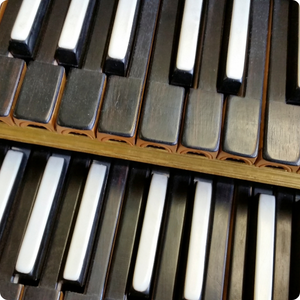
The sound of two harpsichords together is rarely heard in today’s concert halls, yet during the Baroque period it represented one of the most engaging forms of musical conversation. Unlike the modern piano, whose strings are struck by hammers, the harpsichord produces sound by plucking its strings with quills, creating a brilliant, transparent tone that allows every musical line to emerge with remarkable clarity. When two instruments perform together, listeners are invited into a world of dialogue, imitation, contrast, and collaboration, where each performer in turn leads, accompanies, and responds to the other.
This program spans much of the European Baroque, revealing both the shared language and distinctive national styles of the period.
No physical tickets will be mailed. Simply check in at the ticket table upon arrival using the name on your order.
Sunday, November 8, 2026 / 3pm
The sound of two harpsichords together is rarely heard in today’s concert halls, yet during the Baroque period it represented one of the most engaging forms of musical conversation. Unlike the modern piano, whose strings are struck by hammers, the harpsichord produces sound by plucking its strings with quills, creating a brilliant, transparent tone that allows every musical line to emerge with remarkable clarity. When two instruments perform together, listeners are invited into a world of dialogue, imitation, contrast, and collaboration, where each performer in turn leads, accompanies, and responds to the other.
This program spans much of the European Baroque, revealing both the shared language and distinctive national styles of the period.
No physical tickets will be mailed. Simply check in at the ticket table upon arrival using the name on your order.